Lunes, 19 de octubre

Yo puedo...

I can identify el almuerzo (lunch) and identify some lunch foods.

Campanazo

En tu cuaderno:
List FOUR foods you remember.

Complete:
1) Me gustan ............ y ............
2) No me gustan ............ y ............

Rompehielos

Which of these sounds best to you? If you don't know what every word means, go to any corner you want!

1) Arroz con pollo
2) Frijoles con arroz
3) Huevos con pan
4) Queso y frutas

Second round: ¿Qué prefieres beber?
1) Agua 2) Leche 3) Jugo 4) refresco (gaseosa)

Video

“Gallo Pinto Costarricense, sueltito y sabroso” — Día a día con Marissa, 2020

Costa Rica - https://www.youtube.com/watch?v=9AGCtp1hDsE

1) Which two main ingredients do you recognize?
2) What familiar food words can you hear while the ingredients are introduced?

Gallo Pinto is famous in Costa Rica AND Nicaragua. In Nicaragua, people tend to use frijoles rojos.

Lección

Add this vocabulary to a new chart in your notebook (a new page if you have room)

Las comidas
- el desayuno — breakfast
- el almuerzo — lunch
- la cena — dinner
- la comida — food / meal

Answer these questions:
¿Qué te gusta comer para el almuerzo?

¿Qué bebes con el almuerzo?

Práctica

On the same page as your notes, draw two circles. Label one “Solamente desayuno” and the other “Desayuno y almuerzo.” In the “Solamente desayuno” circle, write the names of foods you only eat for breakfast. In the “Desayuno y almuerzo” circle, write the names of foods that you might eat for breakfast or for lunch. Try to get at least 3 words in each circle. Only write the Spanish names of the foods.

Let's compare.

Para terminar

Complete in your notes:

Para el almuerzo, me gusta comer ............ y beber ............

Si hay tiempo

Wayground para practicar

Martes, 20 de octubre

Yo puedo...

I can identify ingredients in dish and write simple descriptions.

Campanazo

Duolingo

Rompehielos

Levántate si...

Stand if the statement applies to you:

1) Te gusta el arroz.
2) Te gusta el pollo.
3) Te gustan las verduras.
4) Bebes agua con el almuerzo.
5) Prefieres la comida picante.
6) Te gusta el queso.

Sr. Wilkins open's this link:
https://www.youtube.com/watch?v=UZm_RB4tLk8

Video

“Aprende a preparar arroz con pollo peruano"

1) Yesterday we saw "Gallo pinto" from Costa Rica and Nicaragua. In Spanish, what are the two main ingredients in this dish? ............... y ...............

2) Let's pull new ingredient names from this video for our notes. Are any different from words you've heard or seen before?

a) ...............
b) ...............
c) ...............
d) ...............
e) ...............

Lección

We need to add these terms to our notes:

el plato — dish

los ingredientes — ingredients

And two really important staples:

las papas
el arroz

What is arroz con pollo?

Descriptions:

  • El plato tiene arroz y pollo.
  • La salsa tiene queso y leche.

Práctica

Choose arroz con pollo or another dish that you know that people eat for lunch.

Write THREE sentences.
1) El plato se llama ............
2) (write two ingredients here) Tiene ............ y ............
3) If you want to try it, write "Quiero probarlo" and if you do not want to try it, write, "No quiero probarlo."

Para terminar

Si hay tiempo, Wayground para practicar

Miércoles, 21 de octubre

Yo puedo...

Identify familiar ingredients in a Bolivian recipe and compare two meals.

Campanazo

Duolingo

Rompehielos

Video

Lección y práctica

la sopa — soup

You can work in pairs for this.

Rough draft (you can do this part in your notebooks)

Give me the names and the ingredients of the following, all in Spanish:

Una sopa de Bolivia: Nombre e ingredientes
Una sopa de Guatemala: Nombre e ingredientes
Una sopa de Argentina: Nombre e ingredientes

Final draft (turn this in with both names on the page)

La primera sopa es de (país - country) y se llama ............. Tiene (ingredients go here). Queremos probarla(we want to try it) or No queremos probarla

Do this for the other two countries as well.

La segunda sopa...
La tercera sopa...

Para terminar

Finish these prompts in your notebook:

Un ingrediente en todas las sopas (all the soups) es ............

Un ingrediente nuevo es ............
Me gusta más la sopa de ............

Jueves, 22 de octubre

Yo puedo...

I can write ingredients in common foods.

Campanazo

Wayground

Rompehielos

Levántate si...

  • Te gustan los frijoles.
  • Te gusta el queso.
  • Te gusta el pollo.
  • Te gusta la sopa caliente.
  • Prefieres el agua al jugo.

Lección

Pupusas de chicharron

What food to pupusas resemble? We've seen something similar.

https://www.youtube.com/watch?v=dxA4nnRWnaQ

We won't watch the whole video, but I do want to look at the salad and the pupusas themselves.

Práctica

¿Tiene queso?

Practice with ingredients.

Let's make a list of ingredients vocabulary set for Quizlet/Wayground

Para terminar

Complete:
Para el almuerzo, quiero probar ............

Tiene ............

Viernes, 23 de octubre

Yo puedo...

Describe a lunch and connect familiar ingredients with different dishes.

Campanazo

En tu cuaderno:

Name THREE dishes from this week.

Next to each, write two ingredient in each 'plato'

Rompehielos

1) ¿Qué comes para el almuerzo?
2) ¿Qué bebes?
3) ¿Qué ingredientes tiene tu desayuno hoy?

Lección

Do you remember these? What country/countries are they from?

  • Gallo pinto
  • Arroz con pollo
  • Pupusas de chicharrón y queso
John Wilkins

Text

Un buen desayuno — Comprensión de lectura

Instrucciones:

Read the article Desayunos saludables para niños: Todo es cuestión de balance.

I do not expect you to understand every word, but you should be able to use the text to find answers to the questions. Use context clues and make your best guess when needed. Do not use your iPad to translate this exercise or answer the questions for you. This is great practice if you will do it. Our Interpretive Assessments will be similar.

Answer in English unless a question specifically asks you to answer in Spanish.

Turn this page in when you have answered all the questions in the green basket. Put your name and last name at the top of the page.

Source: Desayunos saludables para niños: Todo es cuestión de balance

https://www.fda.gov/consumers/articulos-para-el-consumidor-en-espanol/desayunos-saludables-para-ninos-todo-es-cuestion-de-balance

Preguntas de comprensión

1) According to the article, why is eating breakfast important for students?

2) The article says breakfast does not have to include traditional breakfast foods. Can you find the unusual breakfast foods it from the article? Write them here in Spanish first, then you can use your iPad to look up these words.

3) What two vegetables does the article suggest using to make muffins (panecillos)? One is "calabaza" - pumpkin. You should know the other one.

4) What does the article recommend doing with sugary cereal to make it healthier?

5) Identify three foods the article recommends as sources of protein. (On this part, if you find the foods but you do not know the words, you can use your iPad and wordreference.com to look them up.)

6) What are two foods students can eat for breakfast when they are in a hurry?

7) The article recommends preparing breakfast the night before. What are two things a family can prepare in advance.

John Wilkins

Text

Martes, 13 de octubre

Yo puedo...

I can identify Mexican breakfast ingredients and foods from a video.

I can write about the breakfast and describe my preferences.

¡Buenos días! Espero que hayan disfrutado del fin de semana largo.

Campanazo

Duolingo

Rompehielos

¿Qué significa "el desayuno"?

¿Cuál no pertenece al grupo?

1) manzana, plátano, uvas, zanahoria, fresas
2) leche, pan, jugo, café, agua
3) huevos, zanahorias, papas, pepinos
4) dulce, delicioso, caliente, lechuga

¿Por qué?

Lección

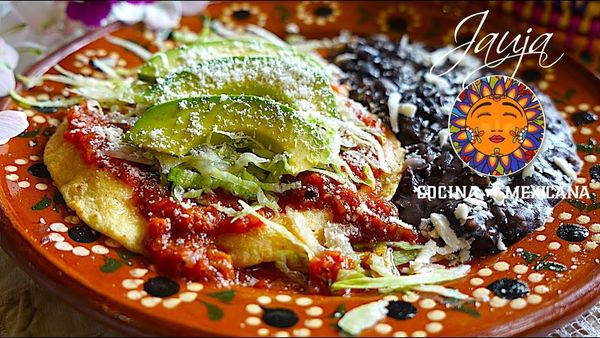
Comprensión auditiva: Un desayuno mexicano

Video: Jauja Cocina Mexicana

https://www.youtube.com/watch?v=25uo3c_sOzg

Listening Activity:
https://wilkins.dropmark.com/2181804/38254191

(Print this Tuesday)

Práctica

Repasamos las respuestas.

¿Qué ingredientes te gustan?

¿Qué ingredientes no te gustan?

Completa:

1) Para el desayuno, me gusta comer...
2) Para el desayuno, me gusta beber...
3) No me gusta...

Para terminar

1) Do you have your "un buen desayuno" plate?

I have a few more plates. Don't take one if you're not going to make a new plate. But we're going to do an activity with them, and I'm going to let you use it on the activity.
2) Do you have your notebook? If not, we have to make a plan. If you've lost it or destroyed it, you still need notes.

Miércoles, 14 de octubre

Yo puedo...

I can describe a breakfast using familiar food vocabulary and adjectives.

Campanazo

Duolingo

Rompehielos

¿Está bien o está mal?

1) El café está caliente.
2) Las manzanas son dulces.
3) Los huevos están fríos.
4) El pan no es saludable.
5) No hay leche en la cafetería.

Lección

Mi desayuno favorito / Un buen desayuno

¿Qué comes normalmente para el desayuno?

¿Qué bebes por la mañana?

Vamos a preparar una descripción de nuestro desayuno favorito.

Repasamos las expresiones:

Como...
Bebo...
Me gusta...
Me gustan...
Prefiero...
Mi desayuno favorito tiene...

Práctica

Preparación (What do you think we're preparing for?)

En tu cuaderno, escribe al menos cuatro oraciones describiendo tu desayuno favorito o un buen desayuno.

It would be great to have
2+ foods, 1-2 drinks, descriptions of the foods (dulce, caliente, saludable, etc.), personal descriptions (me gusta, no me gustan, prefiero)

Para terminar

¿Qué palabras o expresiones necesitas para describir tu desayuno?

We'll review unfamiliar vocabulary together.

Jueves, 15 de octubre

Yo puedo...

I can record a short video describing my favorite breakfast in Spanish.

Campanazo

"Un buen desayno" Wayground
Here's the direct link to practice later: https://wayground.com/join/quiz/6ad017acc14801a957753949/start?from=admin&preview=true

Rompehielos

¿Qué prefieres?

Contesta:

1) ¿Prefieres huevos o cereal?
2) ¿Prefieres leche o jugo?
3) ¿Te gustan las frutas para el desayuno?
4) ¿Prefieres un desayuno caliente o frío?

Lección

Mi desayuno favorito — Video

Vamos a grabar un video corto en español.

Review the sentences you wrote yesterday.

Práctica

Grabar el video: Mi desayuno favorito / Un buen desayuno

Switch to your front-facing camera and record a short video describing your favorite breakfast or what you consider a good breakfast in Spanish (~1 minute).

Include as many details about the foods, drinks, and your preferences as you can.

Sr. Wilkins - Create video assignment in Schoology.

We can do 2-3 recording in the hallway at a time.

Para terminar

Entrega tu video en Schoology.

Si terminas temprano, practica el vocabulario de la comida en Quizlet.

Viernes, 16 de octubre

Yo puedo...

I can express food preferences and describe how foods taste.

Campanazo

Duolingo

Rompehielos

¿Qué comidas son dulces?
¿Qué comidas son picantes?

Lección

Title for Interpersonal Writing Practice:

Nuestro Desayuno Favorito

You can select a partner unless Sr. Wilkins needs to place you with a partner.

Para terminar

Si hay tiempo, Quizlet

John Wilkins

Text

John Wilkins

Text

Lunes, 5 de octubre

Yo puedo...

I can identify some common vegetables in Spanish.

Campanazo

Duolingo

Rompehielos

First, let's look at the 6th and 7th grade targets. Did you take Spanish in 6th grade. Is your Q1 proficiency score lower, the same or higher than your 6th grade final proficiency score? What can we do to score higher overall? Strategies?

¿Qué comidas ya conocemos?

Frutas | Verduras

How many words can we get in each column?

Lección

Listening Practice: ¿Cierto o falso?

Práctica

Add the vegetables from the video to your notes.

Beside each vegetable, write Me gusta/no me gustan or No me gusta/No me gustan

Para terminar

We'll discuss!

Martes, 6 de octubre

Yo puedo...

I can classify foods and say which foods I prefer.

Campanazo

Duolingo

Rompehielos

¿Fruta o verdura (o ninguna) ?

la manzana
la zanahoria
el pan
el tomate
las uvas
la lechuga
los huevos
el plátano
el pepino
la papa

Lección

Review "Un buen desayuno"

Agregar "frutas y verduras" to our "buen desayuno" plate

In your notebooks, write "Un buen desayuno tiene..." and finish the sentence.

Next, select one of each of these options and write it for your next sentence:

Un buen desayuno tiene...

manzanas o uvas
leche o jugo

Select your preference:

Me gusta el desayuno caliente
me gusta el desayuno frío

We'll read and review these together.

Para terminar

Popcorn:
Para un buen desayuno, quiero ..........

Miércoles, 7 de octubre

Yo puedo...

I can describe foods using simple adjectives.

Campanazo

Duolingo

Rompehielos

¿Cuál no pertenece al grupo? ¿Por qué?

  1. papa, zanahoria, pepino, manzana
  2. pan, huevos, papa, café
  3. frío, caliente, saludable, cebolla
  4. manzana, plátano, uvas, lechuga

Lección

Review our describing words:

What are these in Spanish?

Cold, hot, fresh, delicious, sweet?

What are these?

La fruta es saludable.

El café está caliente.

Las verduras son saludables.

Las manzanas son dulces.

Práctica

Continue describing un buen desayuno

In your notebook, take the foods you've labeled, and write at least one adjective about each of them.

Para terminar

Quizlet si hay tiempo

Jueves, 8 de octubre

Yo puedo...

I can talk about foods in a good breakfast.

Campanazo

Duolingo

Rompehielos

Mi desayuno favorito: https://www.youtube.com/shorts/XPFLjd61d3o

Popcorn questions:

1) ¿Qué te gusta beber por la mañana?
2) ¿Qué fruta te gusta?
3) ¿Qué verduras te gustan?
4) ¿Prefieres un desayuno frío o caliente?

Lección

Sr. Wilkins will say some food examples. Reply with one of these options or your own descriptive sentence.

Es saludable.

No es saludable.

Práctica escrita

Writing practice

Complete each sentence with a food from this week.

  1. Me gustan las ..........
  2. No me gusta el ..........
  3. Para el desayuno, como ..........
  4. Una verdura saludable es ..........
  5. Una fruta dulce es ..........
  6. Me gusta beber .......... por la mañana.

John Wilkins

Text

John Wilkins

Text

Lunes, 28 de septiembre

Yo puedo...

I can identify some common foods and food-related words.

Campanazo

Duolingo

Rompehielos

¿Qué comidas ya conocemos en español?

Let's make a word wall on the board. Put a check by the word if you already knew it or would recognize it in a text.

Lección

Q1) ¿Cuándo comemos?
El desayuno, el almuerzo, la merienda, la cena

Q2) ¿Qué comemos? ¿Qué bebemos?

Frases importantes:

Add these sentence builders to your notes:

Quiero... | Me gusta... | Me gustan... (plural: las manzanas, las bananas, las frutas, etc.) | Prefiero...

Trabajo individual

Terminar los videos de la unidad anterior.

Tienen aproximadamente 20 minutos para terminar y entregar el video.

When you're finished with the video

Build a vocab list for yourself. Think about three things that you eat/drink every single day. Add those terms to your notes. Use wordreference.com and only use Google/Gemini if you can't find the word on wordreference.

Next, think about your favorite food. What are the main ingredients? Add those to your notes.

Try for 7 terms in total in your notes right now. We'll discuss when everyone's finished with the videos.

Martes, 29 de septiembre

Yo puedo...

I can say what foods I like and do not like.

Campanazo

Duolingo
(Let’s also do Arepa money/permission form during the bellringer.)

Rompehielos

¿Qué prefieres?

la pizza o las hamburguesas
la fruta o las verduras
el arroz o el pan
el desayuno o la cena

Lección

Cuatro esquinas

Escucha cada comida y ve a la esquina que representa tu opinión:

Me encanta
Me gusta
No me gusta
Nunca lo he probado (I've never tried it/them)

Práctica en grupo

Build our vocab set on Quizlet together

Miércoles, 30 de septiembre

Yo puedo...

I can describe some foods.

Campanazo

Duolingo

Rompehielos

¿Cuál no pertenece al grupo? ¿Por qué?

1) desayuno, almuerzo, cena, postre, camisa
2) fruta, verduras, carne, pan, desayuno
3) comer, beber, almorzar, desayunar, correr

Lección

Postres:
¿Qué postre te gusta?

Práctica

Ejemplos:

Para el desayuno, como ..........
Para el almuerzo, como ..........
Para la cena, como ..........
Bebo ..........

El Sr. Wilkins toma café todos los días, por la mañana y por la tarde.

Práctica

Begin "un buen desayuno"

Necesitamos:

  • platos de papel (you can fold them, just try to keep them in OK condition so we can display.)
  • cuadernos (to make our plan)

Label your paper plates with "un buen desayuno" at the top. Name on the back in pencil so it doesn't bleed through.

You need to DRAW and label these:
Una comida principal
Fruta
Carne / huevos
Pan

Jueves, el primero de octubre

Yo puedo...

I can describe some of my favorite foods for breakfast.

Campanazo

Instead of Duolingo, have your notebook and your "buen desayuno" plate on your desk.

Write the vocabulary from your plato: un buen desayuno in your notebook. We'll ask questions about it.

Rompehielos

Popcorn questions

1) ¿Qué te gusta comer?
2) ¿Qué te gusta beber en la mañana?
3) ¿Prefieres el desayuno o la cena?
4) ¿Qué comes aquí en Pelion Middle School?

Lección

Un buen desayuno - continuar

Use words on your plate like "delicioso"

Here's some good ones:
frío (cold), caliente (hot), saludable (healthy), delicioso (delicious), fresco (fresh)

Escribir o dibujar comidas para cada sección.

Para terminar

Comparte una comida de tu plato.

Viernes, 02 de octubre

Yo puedo...

I can identify and describe common breakfast foods.

Campanazo

Duolingo

Rompehielos

¿Qué palabra falta?

Complete each phrase with a food or drink from this week.
Popcorn questions

1) Para el desayuno, como ..........
2) Me gusta beber .......... por la mañana.
3) Una comida saludable es ..........
4) Una comida caliente es ..........
5) Una comida deliciosa es ..........

Práctica

Create Quizlet: Un buen desayuno

We want
* breakfast foods
* breakfast drinks
* words that describe breakfast food like

frío | caliente | saludable | delicioso | fresco

Para terminar

Terminar platos

John Wilkins

Text

Lunes, 21 de septiembre

Yo puedo: I can understand a spoken description of a Spanish speaker's likes, dislikes and other details.

Campanazo Duolingo

Rompehielos

Questions/Comments before IPA

Evaluación: Interpretación auditiva

Repasamos juntos la ficha del trabajo del distrito

We'll review the IPA overview for this unit.
Display Rubric

Pass out IPA Interpretive Papers
Repartir las fichas del trabajo

Write your name and class on each page!

Después del la evaluación auditiva

Cuando termines y entregues la evaluación, trabaja en tus pesos personales.

When you finish and turn in the listening portion of the assessment, work on your "pesos personales" until everyone is finished.

Martes, 22 de septiembre

Yo puedo: I can speak with my partner to get to know what they like and don't like to do.

Duolingo

Rompehielos

  • Hispanic Heritage Month Activity - MON OCT 05
  • I will give you a receipt and put your name on the list.
  • Cash only.
  • Cannot take money the day of the activity. Hard cut off on Oct 02 for food truck numbers.
  • Recent Instagram Ad

  • Questions/Comments before continuing IPA

Integrated Performance Assessment: Interpersonal Conversation

Continue to work on your pesos personales during the interviews. If you finish, you may do another design.

Miércoles, 23 de septiembre

Yo puedo: I can speak with my partner to get to know what they like and don't like to do. (Interpersonal Communication Goal)

Campanazo

Duolingo

Hispanic Heritage Month

  • Updates to Food Truck Activity
  • Parent form/permission form - you'll need to bring this back with your money

Integrated Performance Assessment: Interpersonal Conversation

Continue to work on your pesos personales during the interviews. If you finish, you may do another design.

Jueves, 24 de septiembre

Yo puedo: I can speak with my partner to get to know what they like and don't like to do. (Interpersonal Communication Goal)

Campanazo

Duolingo

Hispanic Heritage Month Updates

  • Be sure to fill out answer of mystery profile in hallway before tomorrow.
  • Turn in money for food truck activity.
  • Do you need to do Interpretive Listening Assessment?
  • Other IPA Requirements

Integrated Performance Assessment: Interpersonal Conversation (Continued)

Continue to work on your pesos personales during the interviews. If you finish, you may do another design.

Viernes, 25 de septiembre

Yo puedo: I can present activities I like to do.

Hispanic Heritage Month Updates

  • Turn in money for food truck activity.
  • Do you need to do Interpretive Listening Assessment? Interpersonal Speaking?
  • Other IPA Requirements

Integrated Performance Assessment: Interpersonal Conversation (Continued)

Presentational Speaking: VIDEO

Continue to work on your pesos personales during the interviews. If you finish, you may do another design.

John Wilkins

Text

Lunes, 14 de septiembre

Yo puedo...

I can ask and answer questions about activities I like to do.

Campanazo

Duolingo

Rompehielos

¿Cuál no pertenece al grupo?

1) correr, bailar, leer, biblioteca, cocinar
2) la piscina (MX: la alberca), el sol (the sun), la playa, nadar, lápiz
3) gimnasio, estadio, cancha, música
4) hace frío, llueve, hace sol, voleibol

Repaso

¿Qué te gusta hacer en tu tiempo libre?

Para responder:

Me gusta + actividad OR No me gusta + actividad

Para reaccionar:

A mí también.
A mí no.
A mí tampoco.
¡Qué divertido!
¡Qué interesante!

Lección

Vamos a hacer preguntas para aprender más.

1) ¿Qué te gusta hacer?
2) ¿Dónde?

Select one of these places: En mi casa, en la escuela, en la cancha de fútbol, en el gimnasio...

3) ¿Cuándo?

Por la mañana, por la tarde, por la noche...

4) ¿Con quién?

What does this questions mean? Who can we say here?

Práctica en grupo

Wayground review

Para terminar

In just one sentence, say something you like to do, where you do it and who(m) you do it with.

Martes, 15 de septiembre

Yo puedo...

I can say what activities others like to do

Campanazo

Duolingo

Rompehielos

Completa:

1) Cuando hace calor, me gusta...
2) Cuando hace frío, me gusta...
3) Cuando llueve, me gusta...
4) Cuando hace buen tiempo, me gusta...

Lección

Práctica auditiva (cuadernos + papel)
https://wilkins.dropmark.com/2181804/38139955

Práctica en grupo

Quizlet / Wayground — actividades, lugares y tiempo

Miércoles, 16 de septiembre

Planificación colaborativa

Jueves, 17 de septiembre

Yo puedo...

I can write about an activity I like and explain when, where, and why I do it.

Campanazo

Duolingo

Rompehielos

Completa una oración más larga:

Me gusta ............... en ............... cuando ...............

Repaso

Vamos a construir una descripción completa.

Piensa en:

1) ¿Qué te gusta hacer?
2) ¿Dónde?
3) ¿Cuándo?
4) ¿Con quién?
5) ¿Por qué?

Escritura presentacional

Para terminar

Viernes, 18 de septiembre

Yo puedo...

I can understand how activities and places can be different in the Spanish-speaking world.

Campanazo

Duolingo

Rompehielos

Palomitas:

1) ¿Qué te gusta hacer?
2) ¿Dónde haces esa actividad?
3) ¿Con quién?
4) ¿Por qué te gusta?

Lección

Actividades y lugares en el mundo hispano

Vamos a ver ejemplos de actividades y lugares de diferentes países.

Preguntas:

1) ¿Qué actividad hacen?
2) ¿Dónde?
3) ¿Qué tiempo hace?
4) ¿Es una actividad que te gustaría hacer?

Práctica en grupo

John Wilkins

Text

Martes, 8 de septiembre

Yo puedo...

I can identify places where we do different activities.

Campanazo

Duolingo

Rompehielos

¿Dónde haces estas actividades? Where do you do these activities?

Actividad Lugar 1) jugar al fútbol En la cancha (field) de la escuela 2) leer 3) bailar 4) ir de compras (go shopping)

Lección

Let's add these places to our notes

1) el parque
2) la piscina
3) la playa
4) el gimnasio
5) el estadio
6) el centro comercial
7) la biblioteca
8) la casa
9) las montañas
10) la cancha

Práctica en grupo

¿Qué actividad haces en cada lugar?

Lugar Actividad Ejemplo: la piscina (in Mexican Spanish, la alberca) nadar 1) el parque 2) la biblioteca 3) el gimnasio 4) el centro comercial 5) la casa

Para terminar

¿Dónde haces tu actividad favorita?

Mi actividad favorita es ................ Hago mi actividad favorita en ................

¡Cuadernos a la cesta gris!

Miércoles, 9 de septiembre

Yo puedo...

I can understand basic weather expressions.

Campanazo

Duolingo

Rompehielos

¿Cuántos años tienes?
¿Cuándo es tu cumpleaños?
¿Hace calor hoy? (Is it hot today)

Lección

We need these expressions!
¿Qué tiempo hace?

  • Hace calor.
  • Hace frío.
  • Hace sol.
  • Hace buen tiempo.
  • Llueve.

Práctica rápida

¿Qué actividad puedes hacer?

Tiempo Actividad Ejemplo: Hace calor. nado 1) Hace frío. 2) Hace buen tiempo. 3) Llueve.

Práctica en grupo

Vamos a comparar algunas respuestas como clase.

Práctica en el cuaderno

Completa la oración:

Cuando hace ..............., me gusta ...............

Para terminar

Crear y jugar Quizlet si hay tiempo

Jueves, 10 de septiembre

Yo puedo...

I can understand where and when people do different activities.

Campanazo

Duolingo

Rompehielos

Completa las oraciones con me gusta...".

Respuesta Ejemplo: Cuando hace calor... me gusta nadar 1) Cuando hace frío... 2) Cuando hace sol... 3) Cuando llueve... 4) Cuando hace buen tiempo... ...

Lección

Lugares:

1) la playa
2) las montañas
3) la ciudad
4) el campo
5) mi casa
6) la escuela

¿Qué actividades puedes hacer en cada lugar?

Para terminar

Quizlet

Viernes, 11 de septiembre

Yo puedo...

I can describe an activity and where I do it.

Campanazo

Duolingo

Rompehielos

Palomitas:

1) ¿Qué te gusta hacer cuando hace frío?
2) ¿Cuántos años tienes?
3) ¿De dónde eres?
4) ¿Cuándo es tu cumpleaños?

Repaso

Vamos a construir oraciones más largas.

actividad + lugar + clima

Ejemplo:

Me gusta jugar al fútbol en la cancha cuando hace buen tiempo.

Práctica en grupo

Student examples

Práctica individual

Completa:

Pregunta Respuesta 1) Una actividad que me gusta 2) Un lugar donde hago actividades 3) Una actividad para cuando hace calor 4) Una actividad para cuando llueve

Quizlet si hay tiempo

John Wilkins

Text

Lunes, 31 de agosto

Yo puedo...

I can recognize and say activities people do in their free time.

I can give an opinion about different activities.

Campanazo

Duolingo

Rompehielos

Repaso: ¿Qué haces en tu tiempo libre?
Can we add any activities to these, like with "leer"?

1) Salir con mis amigos
2) Jugar al baloncesto (do we know another word for this?)
3) Correr
4) Hacer deporte
5) Bailar
6) Leer
7) Jugar al fútbol
8) Ver televisión
9) Jugar videojuegos
10) Escuchar música

Lección

¿Qué opinas?

Práctica en grupo: Cuatro esquinas

  • Me gusta mucho
  • Me gusta un poco
  • No me gusta
  • Prefiero no decir / No sé

(Listen to the activity and move to the corner that best represents your opinion.)

Práctica individual

Choose three activities - any 3 you want - for each sentence. Write these in your notebook.

1) Me gusta...
2) No me gusta...

Para terminar

Quizlet con el vocabulario (si hay tiempo)

Martes, el primero de septiembre

Yo puedo...

I can react when another person gives an opinion about an activity.

Campanazo

  • Look at this week's banner on Schoology. What happens Thursday?
  • Duolingo

Rompehielos

Completa las oraciones con una actividad

1) Me gusta .......... mucho.
2) Me gusta .......... un poco.
3) ¡No me gusta .......... para nada!

What do you think the last sentence means?

Lección

Reacciones

  • A mí también.
  • A mí tampoco.
  • ¡Qué divertido!
  • ¡Qué interesante!
  • ¡Qué aburrido!

Práctica con un compañero

Ask your partner about three different activities. Listen to each answer and give an appropriate reaction. We'll do some examples first.

1) ¿Te gusta...?
2) Sí, me gusta. / No, no me gusta.
3) A mí también. / A mí no. / A mí tampoco.

Para terminar

Let's try "Cuatro Esquinas" since we weren't able to do it yesterday.

Quizlet Live with activities (if time)

Miércoles, 02 de septiembre

Yo puedo...

I can understand short posts about people's favorite activities.

I can say what another person likes or does not like to do.

Campanazo

Duolingo

Rompehielos

Palomitas:

1) ¿Cuántos pesos tienes?
2) ¿Cuántos años tienes?
3) ¿Qué te gusta hacer en tu tiempo libre?

Lección

Práctica interpersonal

1) ¿Qué te gusta hacer en tu tiempo libre?
2) Me gusta...
3) A mí también. / A mí no. / A mí tampoco.
4) ¿Te gusta...?
5) Sí, me gusta. / No, no me gusta.

Para terminar: Quizlet Live

Quizlet Live: “Pasatiempos”

We will use the final 5–10 minutes of class to review the activities that may appear in tomorrow's listening.

Jueves, 3 de septiembre

Yo puedo...

I can identify activities people like to do from a conversation.

Campanazo

Duolingo

Evaluación formativa: Interpretive Listening

¿Qué haces en tu tiempo libre?

Listen to three people from the video. In the space provided beside their photos, write what they like to do in their free time. It is OK if you do not understand or catch every activity. Write your answers in English.

After listening, use the rubric to rate your understanding. Justify your rating in one or two sentences using language from the rubric.

Repaso

Let's watch the video again with Spanish subtitles to see if we pick up on any more activities.

Para terminar

Quizlet y Duolingo si hay tiempo

Viernes, 4 de septiembre

Yo puedo...

I can say what I like to do in my free time.

Campanazo

Duolingo

Rompehielos

Palomitas:

1) ¿Qué haces en tu tiempo libre?
2) ¿Te gusta hacer (...practicar, ...jugar) algún deporte?
3) ¿Cuántos pesos tienes?
4) ¿Cuándo es tu cumpleaños?

Lección y práctica: Dos verdades y una mentira

Escribe tres oraciones en tu cuaderno sobre tus gustos.

Dos oraciones son verdaderas.
Una oración es falsa.

Puedes usar:

  • Me gusta...
  • No me gusta...

Return and review interpretive listening assessment

Quizlet si hay tiempo

John Wilkins

Text

Lunes, 24 de agosto

Yo puedo...

I can recognize activities people do in their free time.

I can say some activities that I do or like to do.

Campanazo

Duolingo

Rompehielos: Práctica auditiva

Make two columns in your notebook like this:

Juan Pamela 1) 1) 2) 2) 3) 3)...

We're going to listen to Juan and Pamela talk about some plans. I know you will not understand everything, but try to write all of the activities that you do understand. You can write them in Spanish and English. Let's see how many we can get!

https://www.youtube.com/watch?v=4CMp2eJOKRE

Lección

¿Qué haces en tu tiempo libre?

Here's some of the examples we had on the board last friday:

1) Leer --> yo leo libros
2) Escuchar música --> Escucho música.
3) Salir con mis amigos --> Salgo con mis amigos.
4) Tomar café / Beber café --> Tomo café.
5) Dormir --> Duermo.
6) Veo Netflix.
7) Paseo a mi perro.
8) Juego al fútbol (americano)
9) Veo televisión.

Notice: Yo + verbo

  • Tomo café
  • Leo
  • Escucho música
  • Corro

Me gusta + actividad

  • Me gusta tomar café.
  • Me gusta leer.
  • Me gusta escuchar música.
  • Me gusta correr.

Para terminar:

Let's try another listening. We'll start and stop the video as we need.

https://www.youtube.com/watch?v=qXjMDCKS8d0

Martes, 25 de agosto

Yo puedo...

I can say how often I do different activities.

Campanazo

Duolingo

Rompehielos

Completa las oraciones.

  1. Yo .......... música.
  2. Yo .......... café.
  3. Yo .......... Netflix.
  4. Yo .......... con mis amigos.
  5. Yo .......... ejercicio.

Práctica en grupo: Cuatro esquinas

  • Todos los días / siempre
  • Muchas veces
  • A veces
  • Nunca

Para terminar

Actividades - pasatiempos, Quizlet

Miércoles, 26 de agosto

Yo puedo...

I can say what I do and who does an activity with me.

Campanazo

Duolingo

Rompehielos

¿Solo/a o con otras personas?

1) Escucho música ..........
2) Veo videos en Tiktok ..........
3) Juego al fútbol ...........
4) Veo Netflix ...........
5) Como ..........

Lección

Add to our notes

  • Put the date in Spanish at the top of your notes, then write thsi question: ¿Con quién?
  • solo/a
  • con mis amigos
  • con mi familia
  • con mis hermanos
  • con mi equipo
  • con mis compañeros de clase

Pregunta a tres compañeros:

1) ¿Qué haces en tu tiempo libre?
2) ¿Con quién?

Jueves, 27 de agosto

Yo puedo...

I can give details about how I spend my free time.
I can say activities I like and don't like to do.

Campanazo

Duolingo

Rompehielos

Me gusta + verbo...

¿Por qué?

  • porque es divertido
  • porque es interesante
  • porque es difícil
  • porque es aburrido

¿Ejemplos?

Práctica en grupo

Expande una respuesta.

  1. Escucho música.
  2. Escucho música todos los días.
  3. Escucho música todos los días con mis amigos.
  4. Me gusta escuchar música con mis amigos porque es divertido.

Take any activity from this week, and say what it is, when you do it, who you do it with and why.

Viernes, 28 de agosto

Yo puedo...

I can say activities I like to do and when I do them.

Campanazo

Duolingo

Rompehielos

(Popcorn questions)

¿Cuántos pesos tienes?
¿Qué te gusta hacer en tu tiempo libre?
¿Qué te gusta más, pasar tiempo con tus amigos o ver videos en TikTok, Instagram, etc.?

Lección y práctica

"verdadero" o "falso"

Sr. Wilkins will say some statements with "me gusta..." and an activity. Write down the activity in Spanish if you can; otherwise, write it in English. Then, beside the activity, write "verdadero" if the statement is true for you personally or falso if it is not true for you.

Si hay tiempo, práctica para ganar pesos

Quizlet: "Span 7oG: S04: Pasatiempo, actividades"

John Wilkins

Text

Lunes, 17 de agosto

Yo puedo...

I can give examples of the benefits of learning another language.
I can recognize vocabulary to describe money in the Spanish-speaking world.

Campanazo

Duolingo

Rompehielos

Return interpretive listening examples and review

Lección

Benefits of learning another language:

Bilingual Video Questions https://wilkins.dropmark.com/2181804/37948764

Answer these in your notebooks. You can answer in English or Spanish.

Práctica en grupo

Para ganar pesos:

https://quizlet.com/1198438700/s02-pms-los-billetes-mexicanos-flash-cards/

https://quizlet.com/1198438699/s02-billetes-opuestos-flash-cards/

Martes, 18 de agosto

Yo puedo...

I can write to a classmate to get to know them better.

Campanazo

Duolingo.

Rompehielos

¿Qué quiero saber de mi compañero de clase?

How do we ask these questions:

1) Nombre
2) Edad (age)
3) Bien o mal
4) ¿De Pelion, Columbia, Carolina del Sur?
5) ¿Cumpleaños?
6) ¿Cuántos pesos tienes?

Lección y práctica

Make list of at least (5) questions to ask your partner in your notebook.

Práctica en grupo

Interpersonal with personal whiteboards. You may use your notebooks for this practice.

Miércoles, 19 de agosto

Yo puedo...

I can say when I do some activities in Spanish.

Campanazo

Duolingo

Rompehielos

Popcorn questions (the ones written on the board)
Conversation practice

Lección

Actividades
En el pizarrón:

Por la mañana
Por la tarde
Por la noche
Nunca

Los estudiantes dan ejemplos

Práctica

Añadir estos términos a las columnas "Por la mañana" etc. en sus cuadernos

Sr. Wilkins pregunta:

¿Qué haces por la mañana?
¿Qué haces por la tarde?
¿Qué haces los fines de semana?

Práctica en grupo

Quizlet live si hay tiempo

Jueves, 20 de agosto

Yo puedo...

I can say some activities I do and when I do them.

Campanazo

Duolingo

Rompehielos

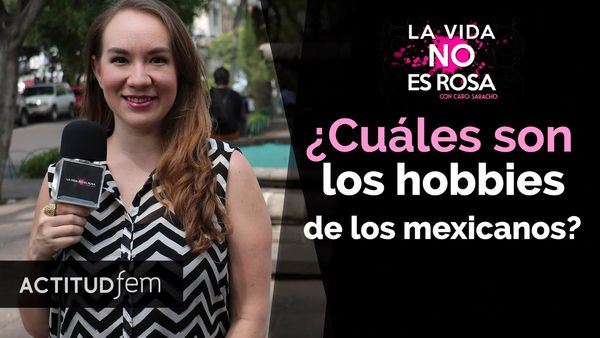
https://www.youtube.com/watch?v=LWA0hiZyNTo
Can we understand some activities that the people in these street interviews do in their free time?

Lección

Continuar con las actividades de ayer
Cuadernos

Yo como (por la tarde)
Me cepillo los dientes (por la mañana)
Yo duermo (por la noche)

¿Qué haces por la mañana?
¿Qué haces por la tarde?
¿Qué haces los fines de semana?
¿Qué haces después de las clases?

Me gusta...

Crear lista con yo + verbo

Viernes, 21 de agosto

¿Qué haces en tu tiempo libre?

  • Yo...

¿Qué te gusta hacer en tu tiempo libre?

  • Me gusta...

Evaluación: Comunicación escrita interpersonal

John Wilkins

Text

Lunes, 10 de agosto

Yo puedo...

I can use some descriptive words to describe money.

Campanazo

Duolingo (3 minutos)

Rompehielos

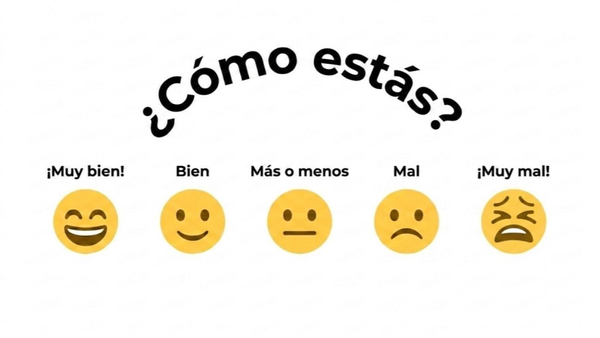
¿Cómo estás?
¿Cómo es el billete mexicano de 50 pesos?
¿Cómo es el billete mexicano de 100 pesos?

Lección

Vocabulario para describir nuestros billetes

Repasar "opuestos" en Quizlet
Video: https://wilkins.dropmark.com/2181804/37999243
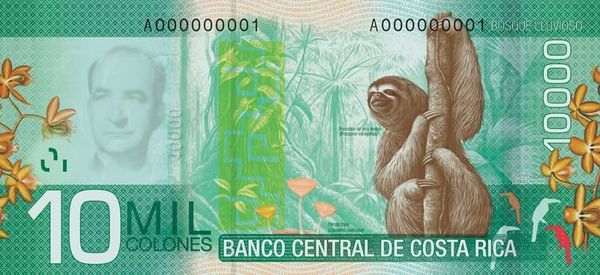
Imágen: https://wilkins.dropmark.com/2181804/37999244

Pregunta clave:
¿Cómo es el billete de Costa Rica de 10.000 colones?

Práctica individual

Continuar y entregar la ficha de trabajo "los billetes"

Para terminar

Práctica interpersonal
Billetes, colores, saludos, etc.

Martes, 11 de agosto

Yo puedo...

I can recognize and say some numbers from 0–30.
I can say how old I am.

Campanazo

Duolingo

(Check to see who needs to make up Pres. Writing Benchmark)

Rompehielos

¿Cómo estás?
¿De dónde eres?
¿Cómo te llamas?
¿Cuántos años tienes?

Tengo .......... años.

Lección

Video: Cien años

Práctica en grupo

Los números 0 - 30 mostrados en la pantalla
Bingo con los números del 0 al 30

Para terminar

¿Cuántos años tienes?

Miércoles, 12 de agosto

Yo puedo...

I can recognize and say some numbers from 0–30.
I can say how old I am.

Campanazo

Duolingo

Rompehielos

¿Qué número falta?

(Los números proyectados en la pantalla)

1) uno, dos, .........., cuatro
2) cinco, seis, .........., ocho
3) cinco, diez, quince, ..........
4) once, doce, .........., catorce

  • ¿Cómo te llamas?
  • ¿Cómo estás?
  • ¿Cuántos años tienes?

Lección

Los meses proyectados

Los meses del año enero febrero marzo abril mayo junio julio agosto septiembre octubre noviembre diciembre

¿Cuándo es tu cumpleaños?
Mi cumpleaños es el _____ de __________.

Práctica en grupo

Hacer una gráfica de los meses de cumpleaños de nuestra clase

¿En qué mes es tu cumpleaños?
Título: nuestra gráfica de cumpleaños de 7.º grado

Práctica individual

En los cuadernos (Answer this in your notebook, new page)

1) Tengo .......... años.
2) Mi cumpleaños es el .......... de ...........

And then try to write the words for these numbers:

  • 11 = ..........
  • 12 = ..........
  • 13 = ..........
  • 21 = ..........
  • 26 = ..........

Para terminar

Palomitas:
¿Cuándo es tu cumpleaños?

Jueves, 13 de agosto

Yo puedo...

I can ask and give my birthday.

Campanazo

Duolingo

Rompehielos

Escriban los meses que faltan:

  1. enero, febrero, ..........
  2. abril, mayo, ..........
  3. julio, agosto, ..........
  4. octubre, noviembre, ..........

Y ahora:
¿Cómo te llamas?
¿Cómo estás?
¿Cuántos años tienes?
¿Cuándo es tu cumpleaños?
(Para la clase) ¿Cuántos cumpleaños hay en enero?
(Para la clase) ¿Cuántos cumpleaños hay en febrero?

Práctica en grupo

Repasar: Opuestos, descripciones (en Quizlet)

Repasar Los billetes:

The question, "¿Cuál de estas palabras no pertenece al grupo?" means "Which of these words does not belong to the group?"

https://wayground.com/join/quiz/6a775de144e3f2bc93441859/start?from=admin&preview=true

Viernes, 14 de agosto

Yo puedo...

I can recognize simple descriptions when I listen to Spanish.

I can give basic information about my age and birthday.

Campanazo

Duolingo (3 minutos)

Rompehielos

Video: Cien años

https://www.youtube.com/watch?v=09-qP0cd_TI

Comprensión auditiva

En tu cuaderno

Complete these sentences in your notebook.

1) Tengo .......... años. (Write out the number in Spanish
2) Mi cumpleaños es el .......... de ...........

Si hay tiempo

Práctica (y para ganar pesos)

https://wayground.com/join/quiz/6a775de144e3f2bc93441859/start?from=admin&preview=true

Discussion questions (in English or Spanish)

1) Are there any benefits to being bilingual?
2) If a person has an accent when they speak a second or other language, what does this mean? When did they probably learn the other language?
3) Where can being bilingual is Spanish and English help you in your life?

John Wilkins

Text

Martes, 04 de agosto

¡Hola, 7.º Grado! ¡Bienvenidos!

Yo puedo...

Puedo presentarme en español. | I can introduce myself in Spanish.
Puedo seguir las rutinas de la clase. | I can follow class routines.
Puedo ayudar a crear una comunidad positiva con mis compañeros de clase. | I can help create a positive community with my classmates.

Campanazo

1) Asientos por número, en orden alfabético.

Rompehielos

Tarjetas de nombre

  1. Dobla la tarjeta para formar un triángulo ▲.
  2. Escribe: ¡Hola! Me llamo... y tu nombre.
  3. Decora tu tarjeta
  4. Pon la tarjeta sobre tu escritorio.

Vamos (voy yo...) a usar las tarjetas esta semana para aprender los nombres nuestros compañeros de clase.

Configurar Duolingo

  1. Abre la App Store con tu iPad
  2. Descarga Duolingo.
  3. Usa tu correo escolar - @lexington1.org - para crear una cuenta.
  4. Intenta completar una lección

Lección

Presentación: Un poco sobre mí — Sr. Wilkins

Rutinas

https://wilkins.dropmark.com/2188233/37969115

Práctica en grupo

Crear un contrato social con dos columnas:

Responsabilidades personales
Responsabilidades sociales

Compartir nuestras ideas con la clase.

Práctica individual

Firmar el contrato social.

Para terminar

Guarda tu tarjeta de nombre bajo la tapa de la funda de tu iPad.

Miércoles, 05 de agosto

Yo puedo...

Puedo escribir unos datos personales (personal details)
Puedo seguir instrucciones y preparar mi cuaderno (prepare my notebook).

Campanazo

Pon tu tarjeta de nombre sobre el mesa.
Saca tu iPad
Abre (open) Duolingo

Rompehielos

Popcorn:
* ¿Cómo te llamas?
* ¿Cómo estás?

Cuadernos

En la portada, escribe

tu nombre y apellido(s)
tu período

Lección

Evaluación diagnóstica (Presentational Writing Benchmark)

Write what you can write about the topic (the communication goal.) Always do the best you can. This is a benchmark.

Práctica individual

Complete your presentational writing benchmark and give it to me.

When you're finished with your benchmark writing, you can decorate the cover and inside cover of your class notebook.

Work quietly until everyone has had an opportunity to complete the benchmark.

On the first paper page of your notebook, make a table like this (Change my information for your information. Leave everything the same in the left column. Add or change what you need in the right column.)

Información personal Nombre y apellido(s): John Wilkins Clase: Español Profesor: Sr. Wilkins Año: 2026 Soy de... Gaffney, Carolina del Sur

Para terminar

  • Completa una lección de Duolingo
  • Guarda tu cuaderno en la cesta gris.
  • Guarda tu tarjeta de nombre bajo la tapa de la funda de tu iPad.

Jueves, 06 de agosto

Yo puedo...

Puedo hacer y contestar algunas preguntas básicas.
Puedo reconocer detalles en los pesos mexicanos.

Campanazo

Duolingo

Rompehielos

Quickly before we do popcorn questions, we need to review

  • Lockdown procedures
  • Fire drill / Building exit route
  • SmartPass expectations (turn iPad around to show clock)

Preguntas:

El ejemplo de Sr. Wilkins
¿Cómo estás? - Estoy bien, gracias
¿Cómo te llamas? - Me llamo Sr. Wilkins
¿De dónde eres? - Soy de Gaffney

Ahora les toca

Lección

Algunos sonidos y colores

  • 🔴 rojo — La J suena como la h en la palabra inglesa house.
  • 🟡 amarillo — Las letras LL suenan como la y en la palabra yes.
  • 🟢 verde — La V suena mucho como la b en la palabra book.
  • 🔵 azul — La Z suena como la s, como somebody.

Introducción a los pesos mexicanos

1) ¿Hay personas 👥 en tu billete?
2) ¿Hay animales 🐾 en tu billete?

¿Hay
- números;
- colores;
- otros detalles culturales?

Práctica individual

Comienza la hoja de pesos mexicanos.

Guarda la hoja para continuar mañana.

Viernes, 07 de agosto

Yo puedo...

Puedo reconocer algunos sonidos del español.
Puedo reconocer palabras, números y colores en los pesos mexicanos.

Campanazo

Duolingo

Rompehielos

Popcorn questions

¿Cómo estás?
¿De dónde eres?
¿Qué colores tiene el billete de 50 (100, 200) pesos?
¿Qué animal tiene el billete de 50 (100, 200) pesos?
¿Te gustan los pesos mexicanos?

Lección

Repaso breve de los sonidos y colores:

  • 🔴 J → rojo
  • 🟡 LL → amarillo
  • 🟢 V → verde
  • 🔵 Z → azul

Práctica individual

Termina la hoja de pesos mexicanos.

Para terminar

Si terminas antes que los demás, continúa con Duolingo.

John Wilkins

Text